Ride and fit
Compare frame fit, step-over height, terrain, carrying needs and weight you can safely handle. Arrange a test ride when possible.
 Your E-bike Repair Site
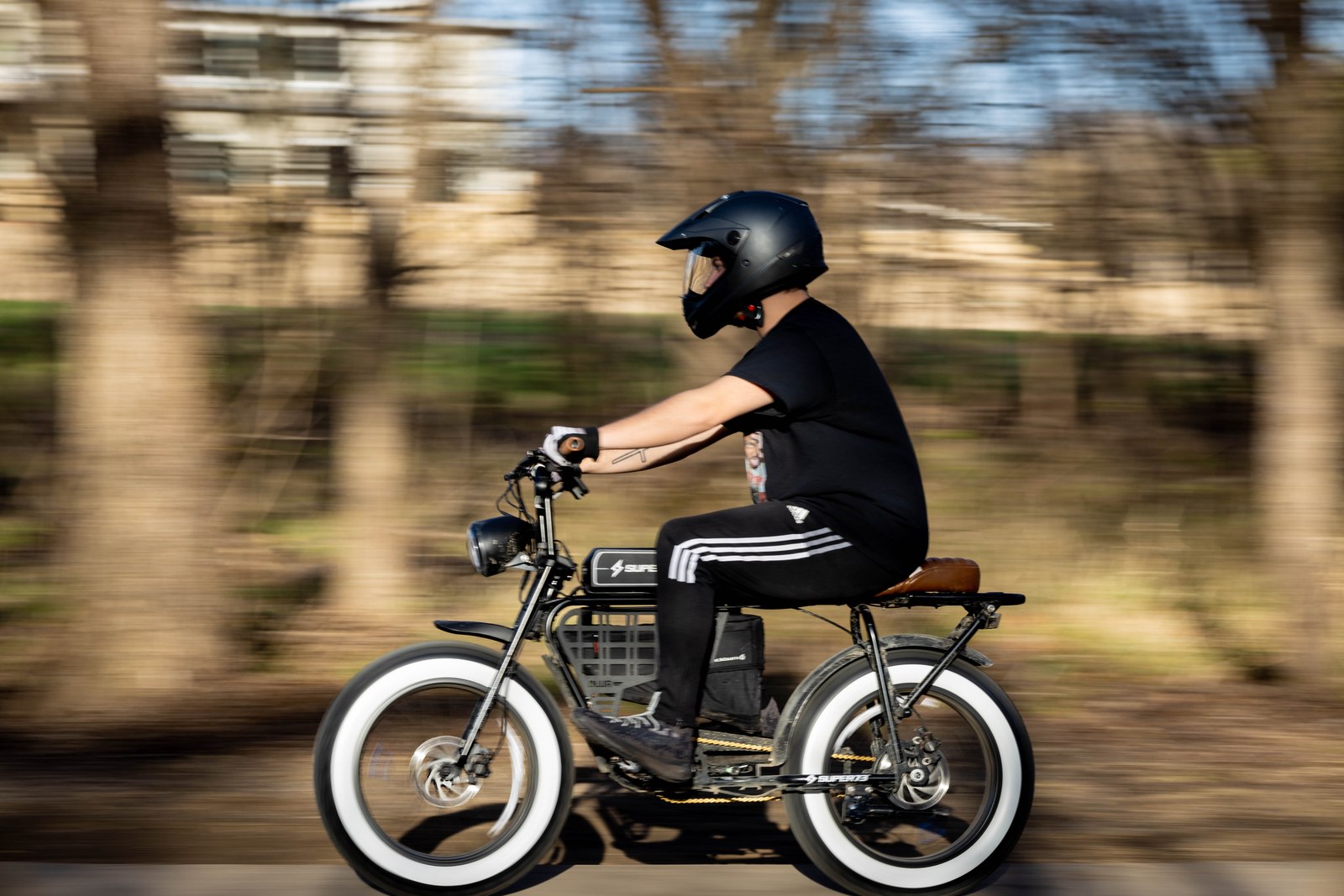
HELP FOR YOUR E-BIKE
Tell us about your e-bike and what happened. We’ll help you find the next safe step.
Start my bike checkBattery hot, swollen, leaking, damaged or smelling unusual? Stop use and charging. Battery safety and recalls.
CHECK A PROBLEM
FIND THE RIGHT PART
Enter what you know. Skip missing details. We’ll show your next step.
Repairability Check parts availability and service access →
PARTS, SERVICE & DIRECTIONS
Opens Google Maps in a new tab. Call to confirm that a shop services your exact bike and drive system.
Our sourced directory currently covers British Columbia. For another province or state, use the map search above.
PHOTOS OF YOUR BIKE
Take a photo of the whole bike, the problem, and any model label or error message. Turn the bike off first. Never handle a damaged battery for a photo.
JPEG, PNG or WebP · up to 10 MB each
No photos added yet.
Photos stay here and clear when you reload. They are not sent for analysis. Leave out faces and personal details.
SOUND OR MOVEMENT EVIDENCE
Film only when it is safe. Do not ride one-handed, touch moving parts, repeat a dangerous test, or keep using a bike with bad brakes, looseness, battery damage, smoke, heat or electrical sounds.
MP4, MOV or WebM · up to 100 MB
No video added yet.
The video stays on this device and clears when you reload. It is not uploaded or analyzed. Share the report and media together from the mechanic section, or download them for your email.
View your photos here. AI analysis is not connected. Photos cannot confirm fit or safety.
FIND A PART
Copy the size or part number from your old part. We’ll help you search and check whether a new one fits.
Get a written diagnosis and repair quote first. Compare total costs, remaining bike condition, available parts and local service. A high repair estimate alone does not mean a new bike is the right answer.
Enter both totals in the same currency to compare costs. Include applicable taxes in both.
Compare frame fit, step-over height, terrain, carrying needs and weight you can safely handle. Arrange a test ride when possible.
Ask a local shop whether it will service that exact model. Check replacement battery availability, parts supply and warranty service.
Confirm regional delivery, assembly, returns, battery warranty, required accessories and the exact model’s safety documentation.
MANUFACTURER CATALOGUE
Compare the current range and ask about local servicing. This is a starting point for research, not a recommendation for a particular model.
Browse Canadian site ↗Ordinary link · no commission currently earned. Verify delivery and model availability.Use the parts checklist to record exact model and part numbers. These shopping searches do not verify fit. Battery, charger, motor and brake faults need the appropriate manufacturer or mechanic checks.
We explain the intended job and compatibility checks. We do not label products tested or mechanic-approved unless that work has been done. Any paid affiliate link will be clearly marked. Prices, stock, shipping and returns are confirmed at the retailer.
Watch short EBIKE333 bike care videos →
LOOK AFTER YOUR BIKE
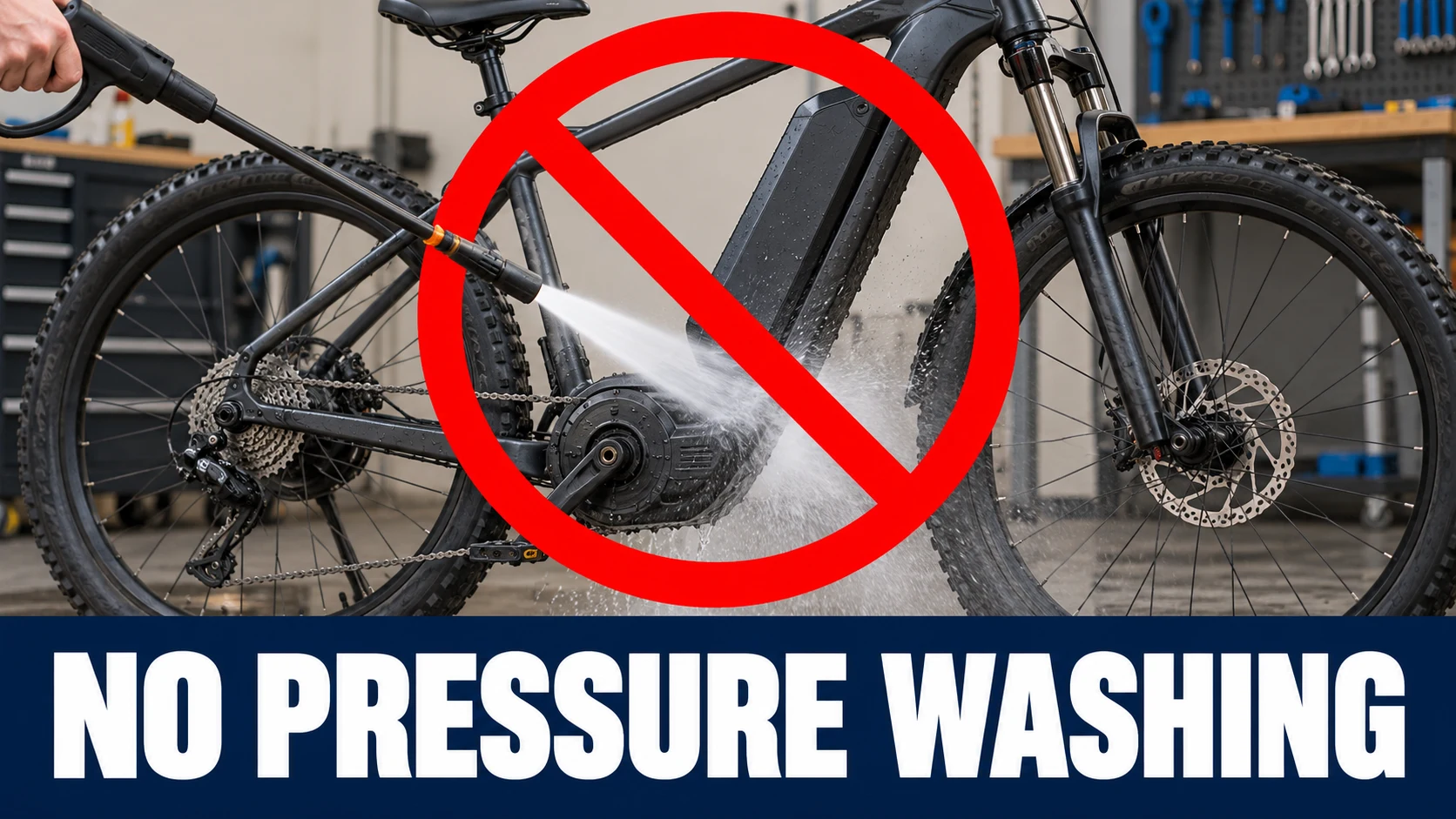
Do: turn it off and clean gently with a soft cloth, brush and mild bike cleaner. Follow your bike’s cleaning instructions.
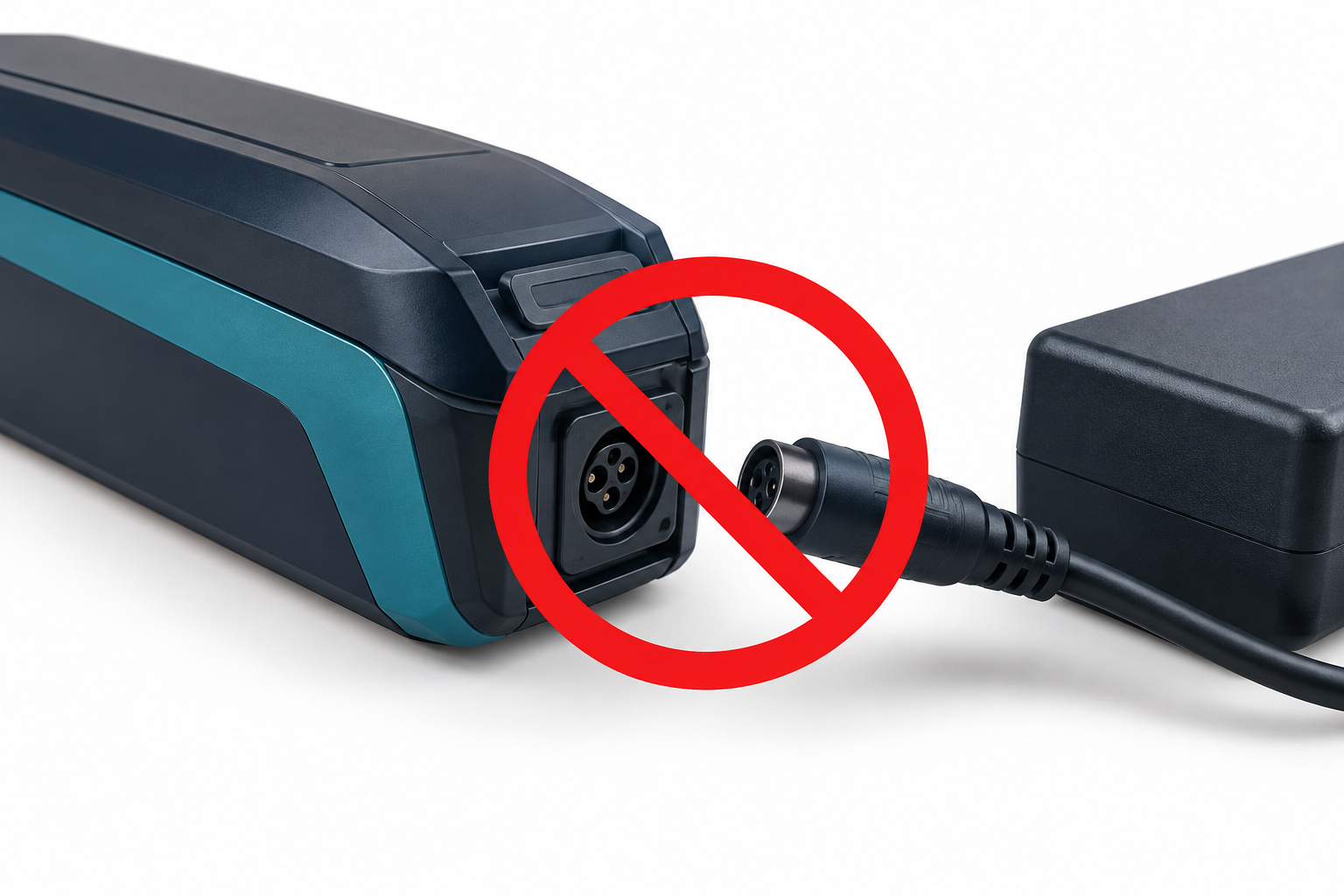
Do: use the original charger or a replacement explicitly approved by the manufacturer for your exact battery.
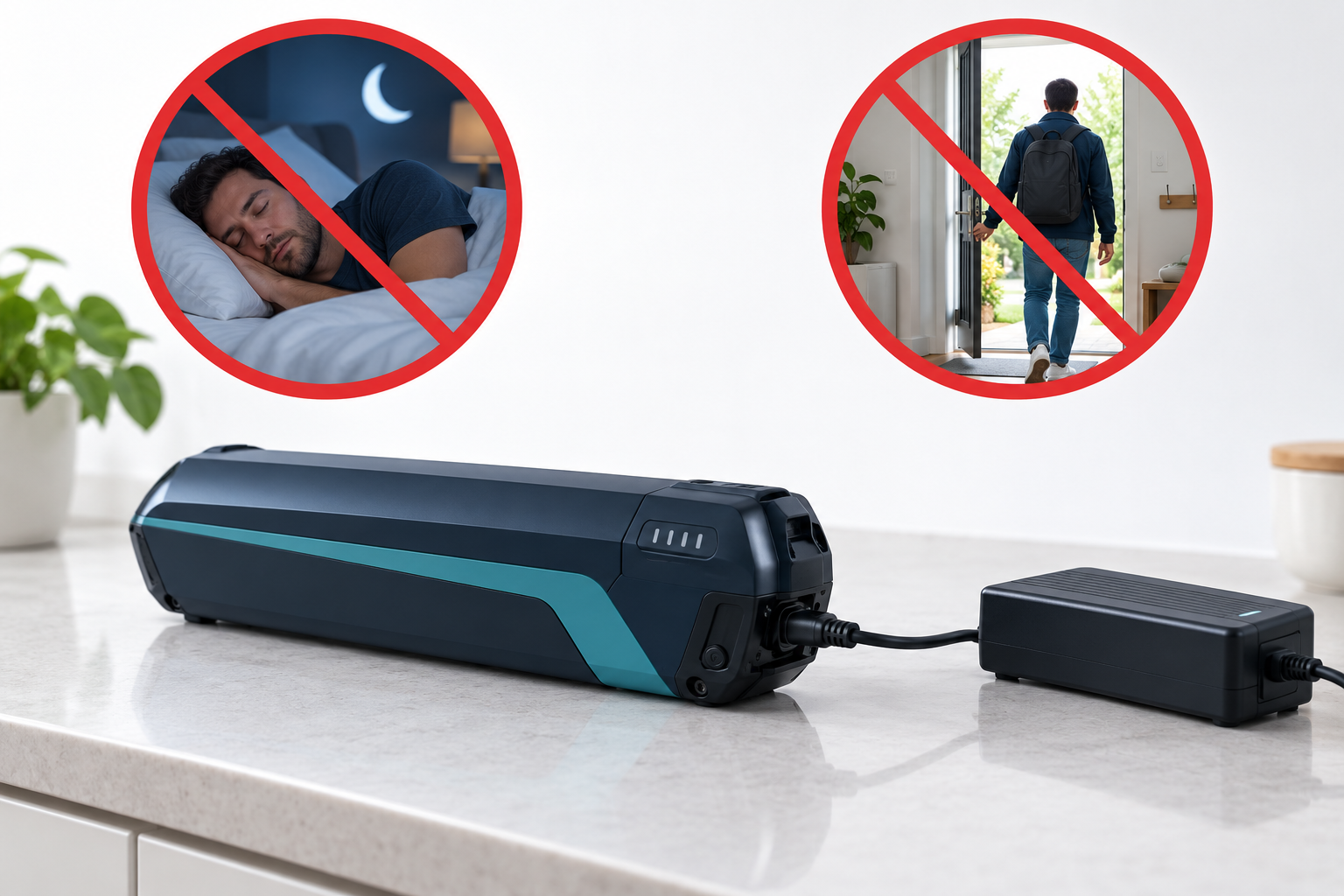
Do: charge while you are awake and present, on a dry, hard surface, away from exits and things that burn. Unplug when charging is complete.
DO · BATTERY CARE
For everyday rides, aim to recharge around 20% and stop around 80% when that gives you enough range and fits your battery maker’s instructions. Avoid routinely running it flat or leaving it full for long periods.
Use the bike’s approved charge-limit feature if it has one. Charge to 100% when you need the range, and follow any manufacturer instructions for an occasional full charge.
This habit can help reduce battery wear. An occasional full charge or dip below 20% is not a reason to worry; avoid making it your routine. The improvement varies with heat, battery chemistry, age and use.
Follow the battery’s storage guidance rather than using 80% as a universal storage target. Bosch recommends 30–60% for long storage. Keep it dry and within the maker’s temperature limits, check its charge periodically, and never leave it empty all winter.
Let a very cold or hot battery reach its approved charging temperature naturally before plugging it in. Do not heat it to speed this up.
Manufacturer examples: Specialized charge-to-80% feature · Bosch storage guidance.
DO · REGULAR SERVICE
EBIKE333 suggests a service check about every 1,200 kilometres at a shop approved to service your bike and its e-bike system. Ask the shop to check brakes, tires, wheels, drivetrain and electrical connections.
Follow your manufacturer’s distance and time schedule if it calls for service sooner. Heavy loads, wet weather and hard riding can mean earlier checks. Don’t wait for 1,200 km if something feels wrong.
Find a local bike shopCare sources checked October 7, 2026: Bosch battery care · Health Canada battery safety.
Check tires, brakes and loose parts often. Follow your bike’s manual. Check more often after wet rides or heavy use.
Do not ride with weak brakes, loose wheels, a damaged tire, a cracked frame or unexpected motor power. Stop using and charging a battery that is damaged, swollen, leaking or unusually hot. Do not open it. For smoke or fire, move away and call emergency services.
BEFORE EACH RIDE
AFTER A WET OR DIRTY RIDE
MONTHLY CHECK-IN
SEASONALLY & BEFORE STORAGE
Use only the charger approved for your exact battery. Follow the maker’s temperature rules. Charge where you can keep an eye on it, away from exits and things that burn. Do not charge while asleep. Let a cold or hot battery reach the approved temperature on its own.
For storage, follow your battery manual. Charge levels and check dates differ by brand. Never drill a display, short contacts or bypass battery protection to wake a system.
Record the bike’s make, exact model and year, plus the drive-system and battery model. Use the manufacturer’s owner manual or an authorized dealer to confirm pressure, torque, wear limits and service intervals. These can differ even within one brand.
Find care and maintenance instructions from your bike and drive-system maker.
The name on the frame and the motor system may be different. Use both manuals, matched to the exact bike year, motor, battery and charger. Shimano gears alone do not mean the bike has a Shimano motor.
General owner-care guidance and manufacturer links, reviewed October 7, 2026. These checks do not certify a bike as safe or replace an inspection. If a check fails, arrange service before riding.
YOUR QUESTIONS ANSWERED
No. Noise can come from the drivetrain, wheels, brakes or motor area. Record when it happens and any error code. The diagnostic flow gathers possible causes; a mechanic needs to confirm the fault.
Check a bike problemAsk about your exact bike, drive-system generation and required diagnostic tools. A shop selling the brand does not establish that it can complete every electrical repair.
Find a shop to contactGet manufacturer or qualified dealer confirmation for the full system. Mounts, controls, battery, wiring and software can differ. A similar-looking motor or plug is not a confirmed match.
Find the exact partEnter the markings in the label explainer. It separates certification claims from capacity, transport and enclosure ratings, and shows what needs checking.
Understand my labelUse the original charger or one explicitly approved for your exact battery. Plug shape alone does not establish compatibility.
See the care picturesChoose your system and exact model in the Battery guide. What is available depends on the battery, bike brand and generation; some information requires a dealer report.
Open the battery guideCompare similar routes and conditions. Wind, temperature, hills, load, tyre pressure and assist setting affect range. Battery capacity can also fall with age. A range estimate alone does not diagnose battery failure.
Explore range changesUse a lower assist level when practical, select suitable gears, keep the drivetrain maintained and use the tyre pressures approved for your tyres, bike and load. Compare results under similar conditions.
Everyday bike careA display reset does not restore worn battery cells. Follow only a procedure documented for the exact model; do not open the battery or try to bypass its protections.
Check exact-model guidanceCompare the exact model and your needs. Look for documented parts support, a compatible replacement battery, a shop willing to service it, clear warranty terms and verified electrical-system certification. Price or brand name alone does not answer those questions.
Buy my first E-bikeCheck the current support evidence for the model and year. The outlook explains promising routes and gaps; it cannot guarantee future stock or predict mechanical reliability.
Check the five-year repair outlookAsk for the exact replacement battery and motor part numbers, who supplies them, and which local shop can service the system. Keep written answers and warranty details.
Check the bike’s repair outlookYes. Fill in what you know and skip anything unclear. A bike or label photo can help a shop identify it. Missing details may limit the guidance.
No. Files stay on this page until you choose to share or download them; reloading clears them. The sharing screen includes your answers and selected media. Review the recipient and message in your mail or sharing app before sending.
The checks help you gather information and choose a next step. They cannot inspect the bike, confirm a failed component or guarantee that a replacement fits.
Tell us your bike, problem and any error code.
Follow safe checks. Record what you tried. Never open a battery or touch live wiring.
Print or email your report. Ask a mechanic to confirm the fault and any part you need.
Riders can gather good information; qualified mechanics and the bike maker handle uncertain electrical faults and safety-critical work. These guides are educational and cannot inspect your bike or certify it safe to ride.
For component-specific procedures, use the Shimano manual library, Bosch eBike help, or the manual supplied with your bike. Battery and charger concerns: CPSC micromobility safety. Always follow the maker's instructions for your exact model.
Safety first. If a battery is hot, swollen, leaking, smoking, smells unusual, or was damaged, stop using and charging it. Move away and contact local emergency services for smoke or fire. Do not open the pack.
EBIKE333 is an early working guide. It does not confirm a diagnosis, guarantee a part fits, or replace an in-person inspection.


